
So here’s the thing about South Korea. Everyone goes to Seoul. Everyone does Busan. Jeju gets a visit if there’s time. Then people fly home.
And that’s fine. Those places are great. But 2,400 kilometres of coastline, and most visitors see what — three beaches? Maybe four? That’s a waste.
I’ve spent a good chunk of time poking around Korea’s coast over the past few years. Tiny harbour towns. Fishing villages where nobody speaks a word of English. Islands you need two ferries and a prayer to reach. Some of these places I found because a Korean friend mentioned them. Others I found by just zooming into Google Maps and thinking, What’ss that little dot?”
No regrets. Not once.
These 15 spots are the ones that stuck with me. The ones I keep telling people about.
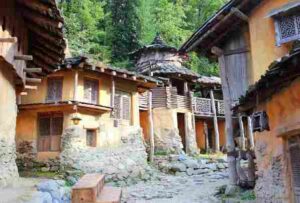
1. Cheongsapo — Busan’s Fishing Village That Nobody Bothers With
Everyone in Busan crowds onto Haeundae. Or Gwangalli. Great beaches, sure. But hop on bus 100 or 181 from Haeundae, ride about 15 minutes, and you’ll hit Cheongsapo. Tiny fishing harbour. Almost no tourists.
There’s a glass-floor skywalk poking out over the water. Free entry. Waves smashing underneath you. Pretty cool. But the real reason to come here is the cliff trail that connects Cheongsapo to Songjeong Beach. About 40 minutes of walking along the coast, and the views are just absurd.
Go in spring or autumn if you can. Summer weekends get a bit crowded now that word’s slowly getting out.
Oh, and eat here. The small raw fish spots right by the harbour — sit down, order hoe, and just watch the boats. Doesn’t cost much. Tastes incredible.
2. Gacheon Daraengi Village — Namhae Island
I’m going to sound dramatic saying this, but I don’t care. This might be the prettiest place I’ve been to in Korea.
Gacheon Daraengi is on the southern coast of Namhae Island. Centuries ago, villagers carved rice terraces into a steep hillside, and those terraces drop all the way to the ocean. Green in summer. Gold before harvest. Flooded and shiny in spring. It changes every time.
Hardly anyone lives there anymore. A few elderly farmers. That’s about it. The whole village feels like it belongs in another century.
There’s a walking path through the terraces and along the cliff. Wear proper shoes — it’s steep in places. You’ll want two or three hours here, maybe more if you’re the type who stops to take photos every 30 seconds. Which I am.
Getting there is easiest with a car. Namhae connects to the mainland by bridge. Buses from Namhae Bus Terminal run to the village, too, but they don’t come often.
3. Jangho Port — Near Samcheok
A Korean colleague told me once, dead serious: “The water at Jangho is so clear you’ll think you’re in Thailand.”
I laughed. Then I went. He was right.
Jangho Port is a small harbour on the east coast near Samcheok. The water really is see-through. You look off the pier, and you’re watching fish swim around. The main thing to do here is rent a transparent kayak — clear bottom, turquoise water, seaweed and fish gliding beneath you. About ₩20,000 to ₩30,000 per person. Worth every won.
Outside of that? Not much. A lighthouse. A few seafood places. Quiet. That’s what’s nice about it.
Come between June and September for kayaking. Outside summer, the water’s freezing. And if you’ve got time, try the Samcheok ocean rail bike nearby — you pedal a cart along tracks right on the cliff edge. Sounds odd. It’s brilliant.
4. Guryongpo — Pohang
Nobody visits Pohang for fun. It’s a steel town. POSCO headquarters. Not exactly calling out to tourists.
But Guryongpo, tucked away on a peninsula southeast of the city, is something else.
That Japanese Street
During the colonial era, Japanese fishing families settled here. Their wooden houses still line a narrow lane near the harbour. They’ve been preserved — you can walk through and see traditional Japanese architecture with Korean fishing boats floating in the background. There’s a small museum too. Handles the history honestly.
It’s a strange, memorable walk.
The Crabs Though
Guryongpo is also a working fishing village. The morning market is worth waking up early for. And the crab — Pohang is crab country. Snow crab season runs roughlyfrom December to March, but you’ll find other varieties year-round. Get it steamed at one of the harbour restaurants. Don’t overthink it.
| What | Details |
|---|---|
| Where | Guryongpo-eup, Pohang |
| Bus | About 40 min from Pohang centre |
| Must eat | Steamed crab. Obviously. |
| Time needed | Half a day, easy |
5. Cheongsan-do — Off the Coast of Wando
Asia’s first official “Slow City.” They gave it that title back in 2007, and honestly,y it fit perfectly?
Cheongsan-do is an island you reach by ferry from Wando Port. Fifty minutes on the boat. When you step off, you notice it immediately — no traffic lights. Almost no cars. Just fields, stone walls, and wind.
The big attraction is the Slow Trail — 42 kilometres broken into 11 sections, winding through barley fields, coastal cliffs, and tiny farming villages. You don’t need to walk all of it. Most people do one or two sections. Section 1, the barley path, takes about an ho, ur and it’s gorgeous. Especially in April and May when everything’s green and swaying.
I slept two nights on the island. Small guesthouse, nothing fancy. Didn’t want to leave. Farmers waved at me from their fields every morning. Only sounds were birds and the ocean.
Book your minbak ahead if you’re coming in the spring. That’s when barley season draws a few more visitors than usual. The ferry schedule changes with the seasons, so check before you go.
6. Jumunjin — Gangneung
Gangneung got famous after the 2018 Olympics. Coffee Street blew up. Gyeongpo Beach started pulling big crowds. But Jumunjin, the fishing port just north of town? Still mostly ignored by anyone who isn’t Korean.
I like Jumunjin because it’s not trying to impress you. Fishing boats jammed together in the harbour. Older womenare selling squid off folding tables on the dock. Smells like salt and seaweed. It’s real.
Walk out on the breakwater — a long concrete arm stretching into the sea with a lighthouse at the end. Best in the early morning when boats are pulling in.
The BTS bus stop is here, too, by the way. From the You Never Walk Alone album. Fans show up daily. Kind of sweet.
For foo, the raw fish market near the port. Pick a fish from the tank, they cut it in front of you, and you eat it upstairs with a pile of side dishes. Two people eat well for about ₩30,000 to ₩40,000. Hard to beat that.
7. Geomun-do — Way Off the South Coast
Two-hour ferry from Yeosu. Three islands connected by little bridges. Hardly any shops. Barely any restaurants. A British naval cemetery from 1885.
Yeah, Geomun-do is a weird one. And I loved it.
The British actually occupied this island in the 1880s during a standoff with Russia. Called it Port Hamilton. You can still find the cemetery and some remnants from that period along the coastal walking trail.
That trail, by the way, is the main event. Takes a full day if you do everything. Stone walls, hidden coves, cliffs with nothing but ocean ahead. Sections of it are properly remote — you won’t see another person for an hour.
A few things to know before you go. Ferries depend on the weather. Rough seas mean no boats. So don’t plan a rigid schedule. Guesthouses on the island are basic — some you can only book by phone. And bring snacks just in case.
But if you’re the type who likes feeling properly far away from everything? This is your place.
8. Beopseongpo — Yeonggwang County
This is where Korea’s famous gulbi comes from. Dried yellow corvina fish. If you’ve eaten Korean food, you’ve probably had it. If you haven’t been to Beopseongpo, you’ve been missing out.
The village is small. Weathered. Old buildings, tight lanes, fishing boats leaning on each other at low tide. Rows of fish hang on drying racks, catching the sea breeze. It looks like a photo from 50 years ago.
Nobody’s prettied this place up for visitors. It just is what it is.
At low tide, the mudflats spread out forever. Some locals still go out there to gather shellfish by hand. During certain seasons,s you can join them. It’s messy. Your back will hurt. You’ll have a great time.
If you come, buy some gulbi to take home. Beopseongpo’s is considered the best in the country. It’s pricey,e,y but once you try iou’ll understand why.
Best in spring or autumn. Summers get sticky and hot down on the West Coast.
9. German Village — Namhae Island
Alright, this one needs context, or it just sounds bizarre.
Orange roofs. Half-timbered walls. Flower gardens. German-style houses. On a hill. In South Korea. Overlooking the sea.
Here’s the story. Back in the 60s and 70s, Korea was desperately poor. The government sent workers — miners, nurses — to West Germany. Decades later, some retired and came home. Namhae’s local government built this village for them. Designed the houses in German style as a kind of tribute to the lives they’d built overseas.
When you know that history, walking through the village hits different. These people left a struggling country and came back to one of the world’s biggest economies. There’s a small museum that tells their stories. A couple of houses are now cafés.
The ocean view from up here is stunning. If you’re already on Namhae for Gacheon Daraengi (number 2 on this list), you can easily do both in one day. You should, actually.
10. Hongwon Port — Seocheon
Korean foodies know about Hongwon. Everyone else? Not a clue.
This is a small harbour on the west coast, in Seocheon, South Chungcheong Province. On weekends, Korean families drive tw to three hours just to eat here. The raw fish restaurants lining the waterfront are the draw.
Here’s how it works. Walk in. Look at the fish tanks outside. Point at whatever you want. They bring it to your table, sliced up, with about fifteen side dishes that just appear without you asking. No extra charge for those.
I went on a cold day in November and had the octopus and clam stew. I’m not joking when I say I still think about it. It was that good.
Seocheon’s also got the tidal flat — UNESCO World Heritage since 2021. Good for birdwatching. Beautiful at sunset. And the National Institute of Ecology is nearby if you want to make a fuller day of it.
| Detail | Info |
|---|---|
| Where | Seocheon-gun, South Chungcheong |
| From Seoul | Around 2.5 hours driving |
| Best for | People who like eating fish. A lot of fish. |
| When | Autumn and winter are the best times to catch |
11. Hwajinpo — Way Up Near the DMZ
This one’s unusual. In Goseong County, Gangwon Province, there’s a spot where a freshwater lagoon sits right beside an ocean beach. That alone would be worth visiting. But then there’s the history.
Three villas sit along the lagoon’s edge. One was Syngman Rhee — South Korea’s first president. One was used by Kim Il-sung when this area briefly fell under Northern control. The third one belonged to a politician named Lee Ki-poong.
All three are museums now. Walking through them, knowing where you are on the map, knowing the history of this divided country — it’s heavy. In a good way.
The beach itself is gorgeous and basically empty because Goseong is so far north that hardly anyone makes the trip. Pine trees surround the lagoon. You can walk around it in an hour.
There’s a small aquarium too. Decent enough if you’ve got kids with you.
You’ll need a car. Or take a bus from Sokcho, about 40 minutes. From Seoul, it’s around three hours driving.
12. Bijin-do — Off Tongyeong
Tongyeong is called “Korea’s Naples” sometimes. Nice harbour, great seafood, cable car with views. But most visitors stick to the main town.
Bijin-do is a pair of tiny islands connected by a sand bridge that shows up at low tide and vanishes at high tide. That’s it. That’s the gimmick.
Except it’s not a gimmick. Standing on one island, watching the sandy path to the other one slowly disappear under rising water — there’s something about it that gets to you. Hard to explain. You just have to see it.
There’s next to nothing on the islands. A walking trail. A handful of houses. One or two places to sleep. Bring your own food and water because options are very limited.
The ferry from Tongyeong takes about 40 minutes. Day trips work, but staying overnight means you get to see the tide go out AND come back in. That’s the full experience.
13. Ganjeolgot — Ulsan
Easternmost point of mainland South Korea. First place to catch the sunrise every morning. Big deal for Koreans, especially on New Year’s.
December 31st and January 1st, this place is packed. Thousands of people. Food vendors. Music. Everyone huddled in blankets, waiting for that first light of the year. It’s chaotic and wonderful.
Rest of the year? Pretty much empty.
There’s a big red postbox that’s become the go-to photo spot. You can write a letter and actually mail it from there. A walking path runs along the coast. Lighthouse nearby with decent views. The village has a few cafés and restaurants, all very local, nothing tourist-trap about them.
It’s about 40 minutes by car from central Ulsan. Buses run, but not that often. Come early morning if you want the sunrise. Or don’t. The coastal walk is just as good at noon.
14. Yeongdeok — Crab Town
Ask any Korean where to eat snow crab. They’ll say Yeongdeok. This east coast town in North Gyeongsang Province is basically built around crab.
Ganggu Port is where the action is. Restaurants line the harbour. Tanks of live crabs outside every one of them. You point. They steam. You eat. The view is the harbour. The soundtrack is seagulls. A meal runs ₩30,000 to ₩50,000 per person, depending on size and time of year. December through March is peak — crabs are the biggest and fattest then.
But don’t just eat and leave. The Yeongdeok Sunrise Road is a coastal path with wind turbines dotting the cliffs. Hardly anyone elseis walking it. The wind farm itself is weirdly pretty — white turbines against blue water.
The town’s got a roughness to it that I appreciate. Not polished. Not trying to charm you. Just a place where people catch crabs and cook crabs, and that’s about the whole story. One restaurant owner came out to personally show me how to crack a leg open properly. Wouldn’t let me leave until I got it right.
15. Wolpo Beach — Pohang
I’m putting this one last because it sums up this whole list.
Wolpo is 20 minutes north of Pohang by car or bus. It’s a wide, curved beach backed by a tiny village. No hotels. No bars. A fewminutes backk if you want to stay. Two or three raw fish restaurants where the owner probably caught what you’re eating.
In the summer, you share this beach with maybe ten other families. That’s it. Compare that to Haeundae, where you’re practically sitting in someone else’s lap.
There’s a lighthouse walk at the north end. Short. Nice. The sunset behind the pine trees at the back of the beach is one of those quiet, perfect things that don’t need a filter or a caption.
Nobody’s making content here. Nobody’s queueing for anything. It’s just a clean beach, calm water, and a village going about its day.
Sometimes that’s all you need.
| Info | Details |
|---|---|
| Where | Heunghae-eup, Pohang |
| Getting there | 20 min from Pohang by bus or car |
| Sleep | Handful of minbak and pensions |
| Best time | Summer to swim, autumn to walk |
All 15 at a Glance
For easy planning:
| # | Village | Coast | What’s There |
|---|---|---|---|
| 1 | Cheongsapo | Southeast (Busan) | Harbour, skywalk, cliff trail |
| 2 | Gacheon Daraengi | South (Namhae) | Rice terraces down to the sea |
| 3 | Jangho Port | East (Samcheok) | Clear water kayaking |
| 4 | Guryongpo | East (Pohang) | Japanese colonial lane, crab |
| 5 | Cheongsan-do | South (Wando) | Slow city,b barelytrails |
| 6 | Jumunjin | East (Gangneung) | Fish market, BTS stop |
| 7 | Geomun-do | South (Yeosu) | Remote island, British history |
| 8 | Beopseongpo | West (Yeonggwang) | Dried fish, mudflats |
| 9 | German Village | South (Namhae) | German houses, ocean view |
| 10 | Hongwon Port | West (Seocheon) | Raw fish, stew, tidal flat |
| 11 | Hwajinpo | East (Goseong) | Lagoon, villas, quiet beach |
| 12 | Bijin-do | South (Tongyeong) | Sand bridge, twin islands |
| 13 | Ganjeolgot | East (Ulsan) | Sunrise Point, postbox |
| 14 | Yeongdeok | East (N. Gyeongsang) | Snow crab, wind farm |
| 15 | Wolpo Beach | East (Pohang) | Empty beach, village life |
Stuff I Wish Someone Had Told Me Before Going
Getting Around
Rent a car. I can’t stress this enough. Some of these villages have buses, but the schedules are thin. Two runs a day in some cases. Miss the last one, and you’re sleeping in someone’s garden. Learned that almost the hard way in Beopseongpo.
Language Barrier Is Real
Out in these villages, English is basically nonexistent. Download Papago — it’s Naver’s translation,r and it handles Korean way better than Google Translate does. Get the offline language pack too. Signal can be spotty on islands.
Where to Sleep
Hotels don’t really exist in these places. You’re looking at minbak (home guesthouses) or pensions (rental cottages). They’re simple. Clean. Totally fine. The Yanolja or Goodchoice apps for booking. Some of the really remote spots — like Geomun-do — you might need to book by phone. Ask a Korean friend for help if you need it.
Eat Everything
The seafood in these villages is some of the cheapest and freshest in Korea. Those tiny restaurants with no English menu and plastic furniture? Go in. Point at things. Sit down. You will eat well. I promise.
When to Go
Spring (April–May) — barley season on Cheongsan-do, green terraces at Gacheon, comfortable temperatures everywhere.
Summer (June–August) — beach weather, kayaking at Jangho. Also, monsoon season,n though, so bring rain gear.
Autumn (September–November) — honestly, my favourite. Skies clear up. Air’s crisp. Golden light everywhere. Best season for coastal walks.
Winter (December–February) — cold. Especially theEast Coastt. But Yeongdeok crab season and Ganjeolgot sunrise make it worth braving the chill.
One More Thing
Korea’s coast is changing. Young people move to Seoul or Busan. These villages lose a few residents every year. The fishing boats get fewer. Some of these places look noticeably different even from five years ago.
I’m not saying that to be dramatic. I’m saying it because if these villages are on your radar at all, go sooner rather than later. The grandma selling dried squid by the harbour, the fisherman who waves you over to look at his morning catch, the village where the loudest sound is wind — that version of Korea is still here. But it’s getting smaller.
Rent a car. Download a translator. Pack light. Drive a road you can’t pronounce the name of.
You’ll come back with stories that nobody else has.
If you’ve been to any of these places — or know a coastal village I should add — I’d love to hear about it. Drop a comment. Helps everyone who reads this next.
links